|
Forwarded this? Subscribe here and get it every Tuesday. |
||||||||||

The Brave New Business Journal
Issue 18 · Tuesday 1 September 2026 · from Anne Becheru
|
||||||||||
|
Tuesday mornings. One idea, one question, one thing to try. |
||||||||||
|
Good morning, and welcome back. It is the first of September, which in our part of the world is the real start of the year. Everyone is back. The inbox has recovered. And every decision that was quietly pushed to “after the summer” has just arrived, all at once, in the same fortnight. Budgets. Supplier renewals. The hires that were paused in June. Next year’s plan, which somebody needs a first draft of by Friday. More consequential decisions get made in the next four weeks than in the previous three months combined, and they get made at speed, by people who are tired, against dates that were set by a calendar rather than by the work. Which makes September the month your judgement is worth the most, and the month you have the least time to use it. So this week, one idea about that. |
||||||||||
|
One to think about
One vivid example will beat a mountain of evidence in most meetings you attend this month. 
Not because the people in the room are stupid. Because the example is free and the evidence is expensive, and everybody is busy. You are almost never dealing with a stupid person. You are dealing with an intelligent person using a shortcut, and the shortcut works most of the time, which is exactly why nobody notices the times it does not. |
||||||||||
|
One to ask yourself
What is the last expensive decision I made because of one convincing story? Not a lie. A true story, told by somebody credible, about one real thing that really happened. Those are the ones that cost money. |
||||||||||
|
One to try this week
The next time somebody in a meeting supports a claim with one example, ask one question, in a friendly voice:
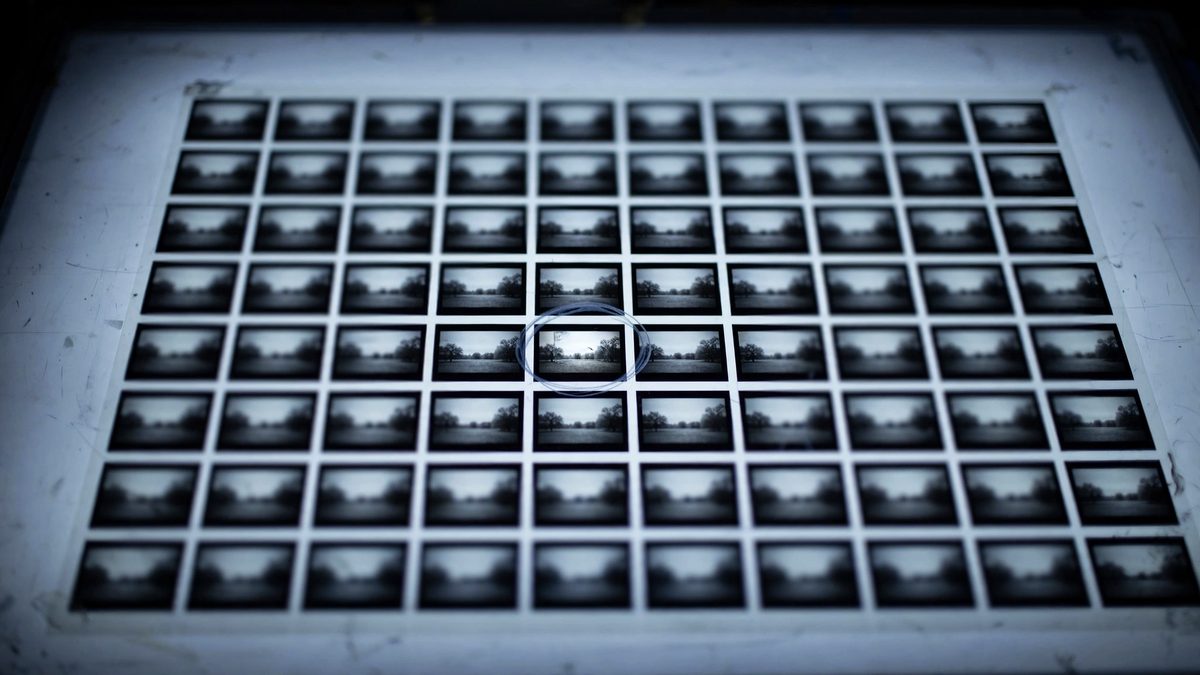
That is the whole technique. Not “I disagree.” Not “where is the data.” Just how many, asked pleasantly, by somebody who genuinely wants to know. Watch what happens to the room. Reply and tell me. |
||||||||||
|
Ten times this month it will cost you money
You will meet most of these before the end of September. Every one is a real argument, made by a competent person, in good faith. That is what makes them expensive.
|
||||||||||
|
Why this is the most commercial skill you have
It saves money directly. Every item above has a price on it. Overpaying a supplier by four per cent. Hiring the wrong person. Killing an idea that would have worked. Buying software on the strength of one demo, then paying for it for three years. Nobody ever gets promoted for the bad decision they prevented, which is why almost nobody works on this. It protects your relationships, which is the part nobody says. The way most people push back on a weak argument is to attack it, and the person who made it then has to defend it, and now there are two positions in the room instead of one problem. Ask “how many did we look at” and nobody has to lose. You have not contradicted them. You have joined them in wanting to know. Every good negotiator I have ever met does this and none of them call it critical thinking. They call it being curious in public. And it is the only thing getting scarcer. Producing a confident argument now costs nothing. Anyone can generate a claim, an example and a chart to sit under it, in about eleven seconds, free. The supply of plausible has gone infinite. The number of people able to assess it has not moved.
|
||||||||||
|
What I got wrong
Since I am asking you to reply with yours, mine first. I once let a whole positioning decision rest on three customer interviews. Three. 
They were vivid, they were consistent, and one of the quotes was so good I put it on a slide. It took a year and real money to find out those three people were unusual, and that they had been unusual in the same direction, which is the most dangerous kind of sample there is. Nobody in the room challenged it. Including me, and it was mine. Send me yours. The decision you made because of one very good story. Reply to this email, tell me if you want to be anonymous, and I will run the best ones next week. And if you are about to make one this month, that is the better email to send me. |
||||||||||
|
If this was useful
There is nothing to buy in this email. Send it to the person who forwards things fastest. That one with affection. If someone forwarded this to you, subscribe here. One email, Tuesday mornings.
Who we are, since you might be wondering
Brave New Media is a boutique B2B media and marketing agency. Small team, we work globally. We have only just started talking about ourselves in public, so it is fair if you are surprised to be getting email from a company with almost no footprint. We spent years doing the work and close to no time telling anyone about it. That was a choice, and on reflection it was the wrong one. It is changing quickly now, and on purpose. Glad you are here for it. Until next Tuesday,
|
||||||||||
|
Visit brave-new.com to see who we are, how we work, and what we refuse to do.
You are receiving this because you subscribed to The Brave New Business
Journal. |