|
Forwarded this? Subscribe here and get it every Tuesday. | ||||

The Brave New Business Journal
Issue 22 · Tuesday 29 September 2026 · from Anne Becheru
Is AI going to eat our bread?
| ||||
|
Tuesday mornings. One idea, one question, one thing to try. | ||||
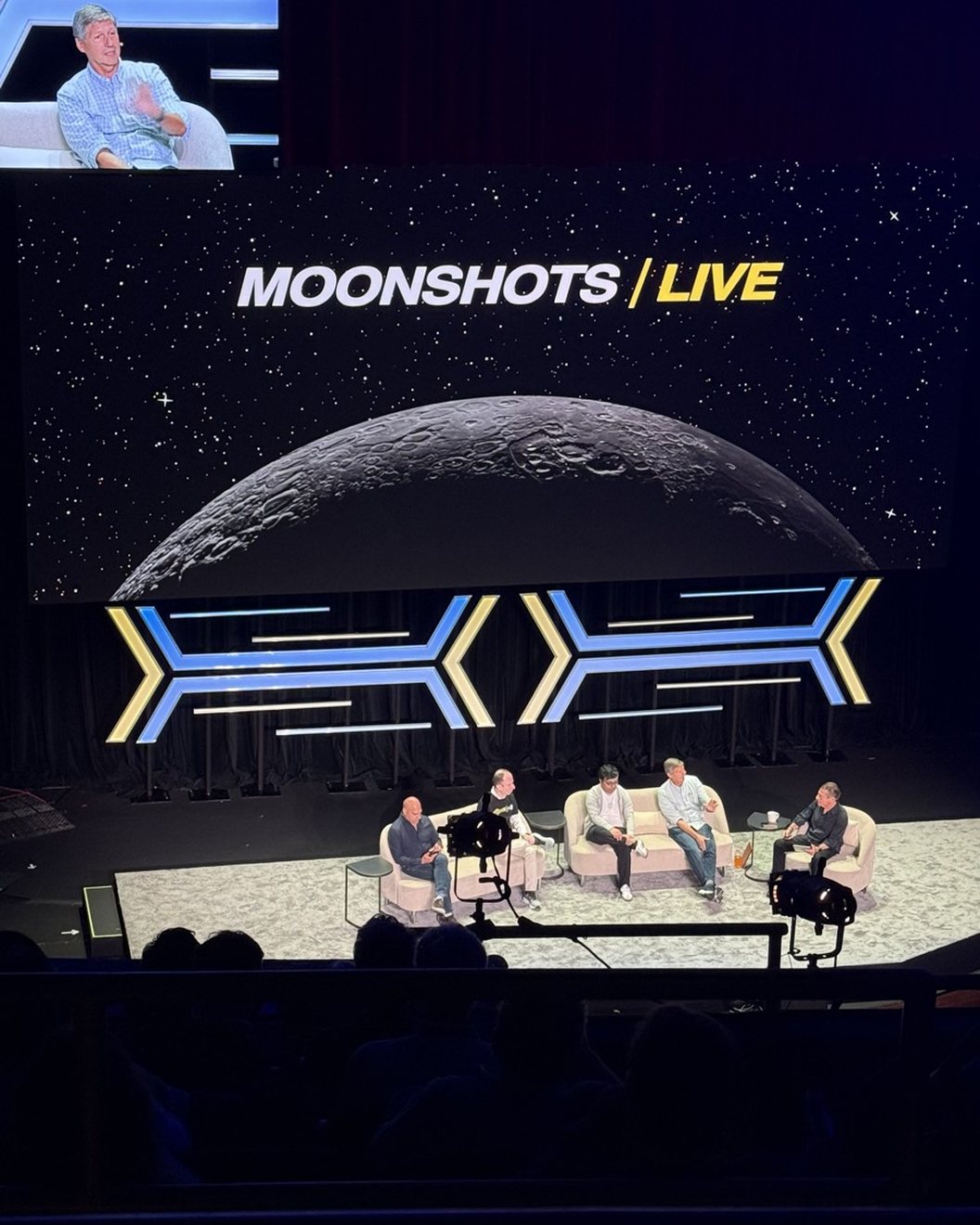
Our team spent last Friday at Moonshots, Peter Diamandis's event. Ten hours of it. Investors, founders, physicists, a room full of people who talk about the singularity the way other people talk about the weather. And underneath every panel, in different words, the same question kept surfacing. The one your team is asking quietly and your kids are asking loudly.
Here is the honest answer, as best we can report it from the room. | ||||
|
1. The old deal is finished, and they said so out loud
Diamandis put it plainly. The old social contract was: do well in high school, go to college, get a degree, get a job. That contract, he said, is cooked. The replacement he offered is not a job title. It is a question. Find something you care about deeply. He separates the two words carefully: a passion is something you love doing, a purpose is something you love doing that helps other people. If you do not know your purpose, finding it is the work. That sounds soft until you notice it is the only part of the stack that cannot be automated. 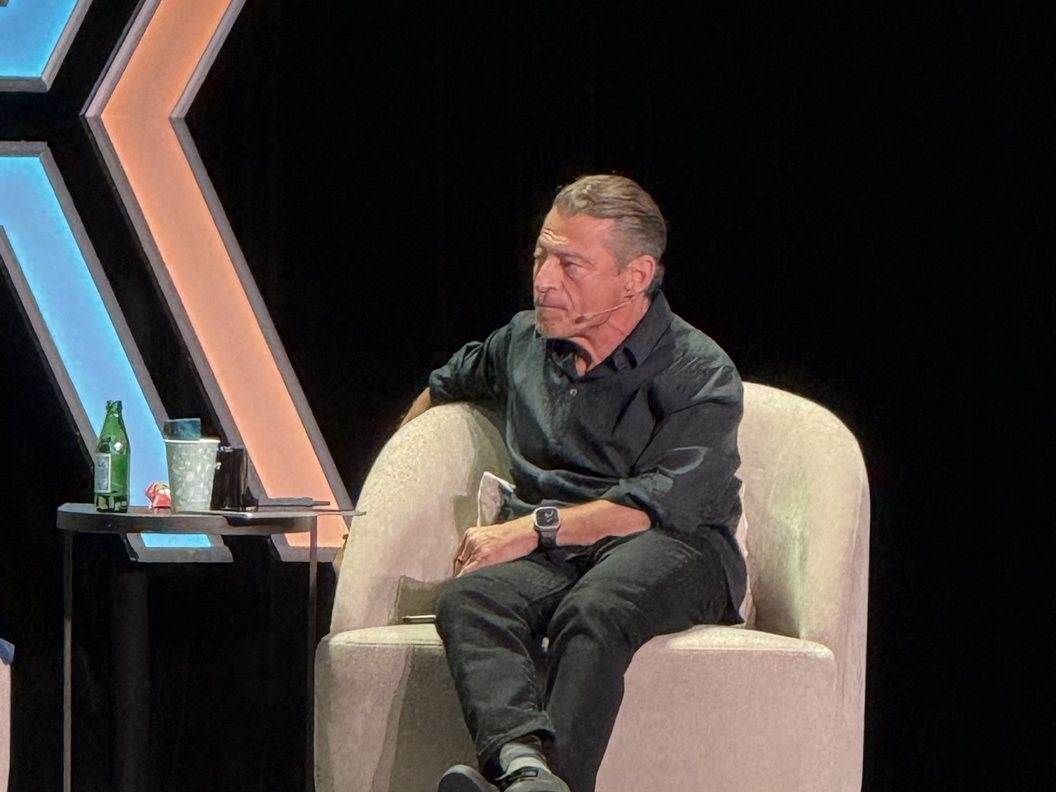
| ||||
|
2. But the data does not show the apocalypse
This is the part that did not make the headlines, and it came from Cathie Wood, who was there as a judge. 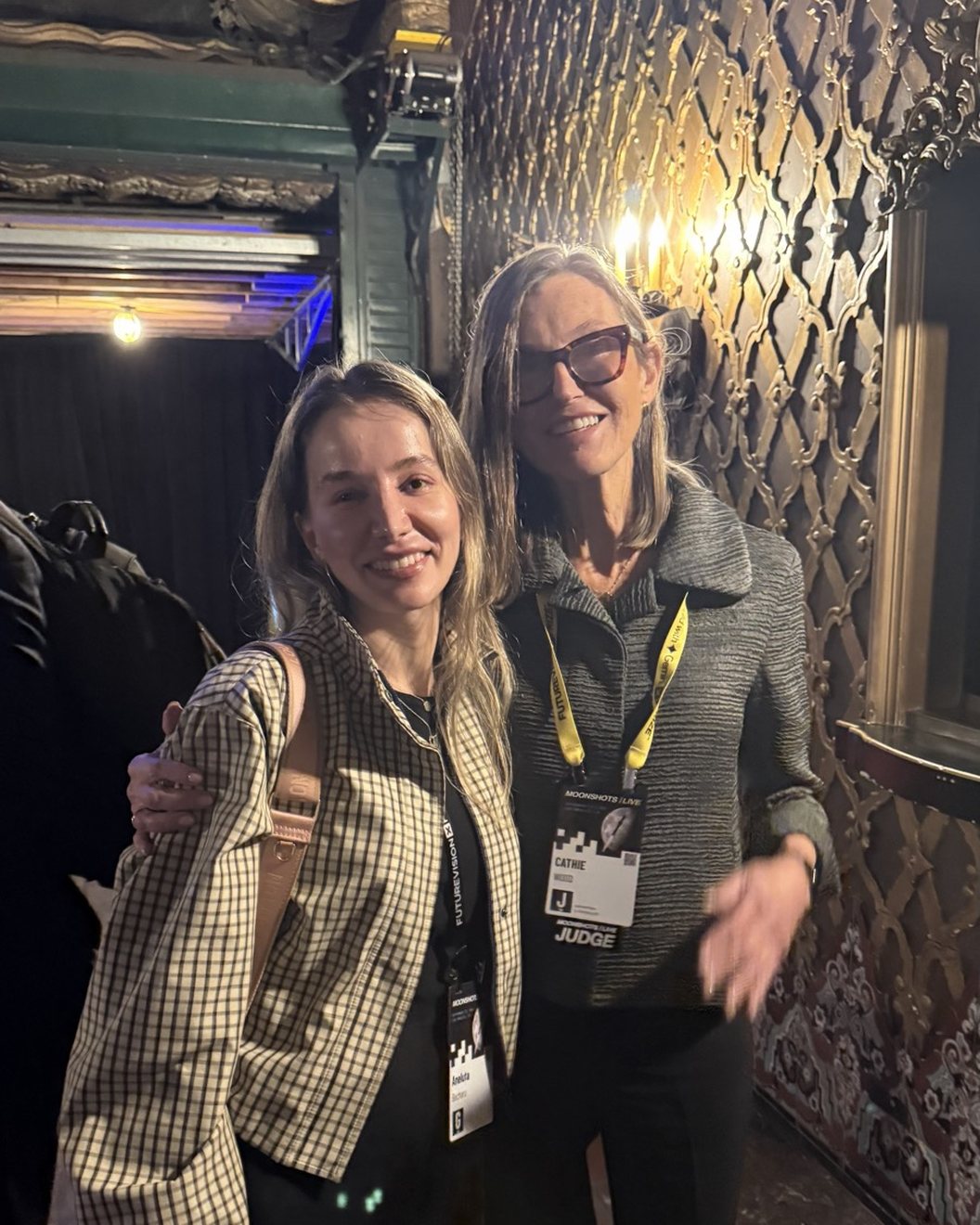
Cathie Wood, who judged the prize and made the most contrarian argument of the day. The numbers are not supporting the job-loss story. Entry level, yes, genuinely. But the forecast on stage was labour shortages, not mass unemployment. Technology, the argument went, is a net job creator. There is always short-term pain, and it is real, and it is still a net creator. The line that stuck with us: in the early 1990s, did anyone know what an influencer was? Airbnb? Uber? We could not conceptualise those jobs. There are jobs coming now that we cannot conceptualise either. Diamandis named the thing that keeps the fear alive when he put the question to her: 80% of Americans report fearing AI. In China, he said, the figure runs the other way. Same technology, opposite mood, and one of those two moods is going to compound. | ||||
|
3. The caveat nobody on stage dodged
Entry level is getting hit. Graduates are coming out of school and not placing. The figures given from the stage: average time to a job around six months, median around three. The advice offered to those graduates was blunt. Start something with AI and no employees, and keep interviewing while you do. You will get hired faster, because you are the one showing initiative and using the tools everybody needs. And if the thing takes off, you stop interviewing. 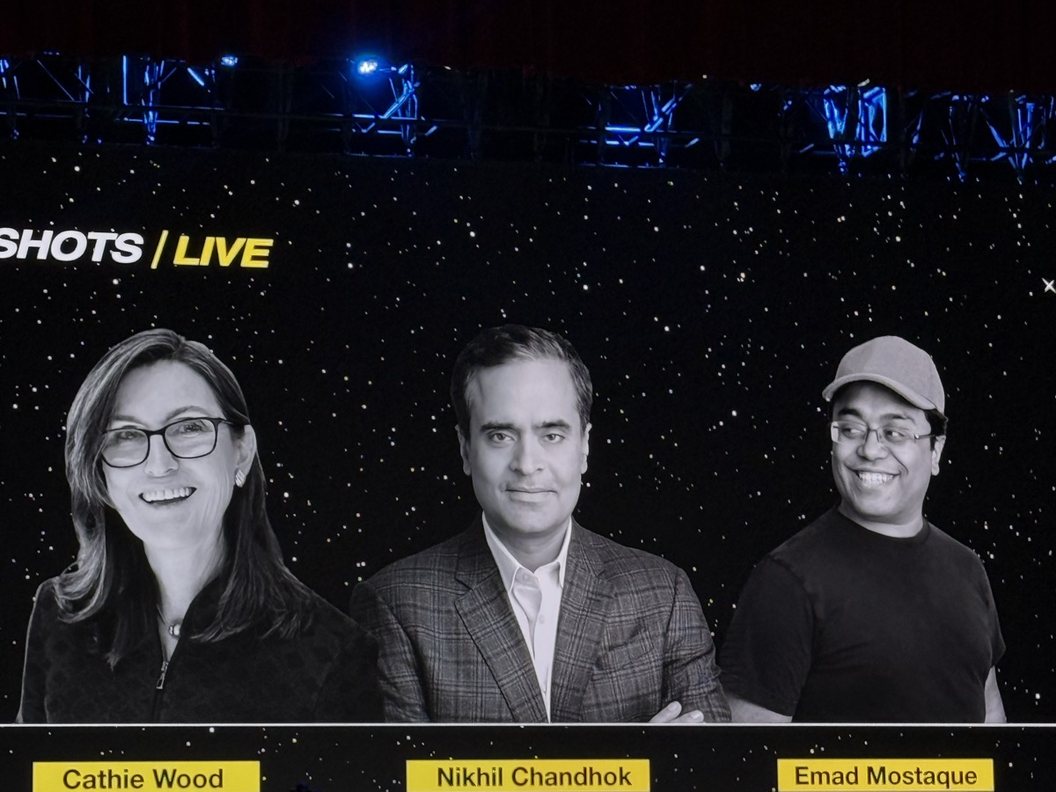
| ||||
|
4. What does not change, from someone who builds
One founder, Palmer Luckey of Anduril and Oculus, asked what changes in the age of AI, gave the least glamorous and most useful answer of the day. It does not change it much. You are still on the hook legally. You are still on the hook for all the interpersonal work. You can delegate pieces, but at the end of the day it is your call and your decision. The same point surfaced in a completely different session, about professional services. You can ask AI to be your lawyer. You still need the person with the badge who passed the bar.
| ||||
|
5. And the line we keep repeating to each other
From one of the panellists, almost in passing: This is the slowest it will ever be. Everything you are struggling to keep up with right now is the slow version. | ||||
|
So, is it going to eat our bread?
It will eat tasks. It is already eating tasks. It does not eat accountability, judgment, the relationship, or the decision that somebody has to sign. Which means the exposure is not your profession. It is the share of your week that is task and the share that is judgment. Two people with identical job titles can have completely different answers to this question. Diamandis closed with an analogy one of the teams had given him, and we have been thinking about it since. If you are riding a bicycle and you focus on the pothole, that is exactly where you will go. Most of the world is focusing on the fear. He called for the opposite. A pandemic of hope. | ||||
|
One thing to do this week
Take your own week and split it in two columns. Tasks that a well-briefed machine could do with your context. Decisions somebody has to own. Then look at the ratio. That number is your actual answer, and it is more useful than any headline about AI and jobs. If the first column is most of your week, you are not obsolete, you are underused. Which is a very different problem, and a fixable one. | ||||
|
Talk soon,
| ||||
|
Before you go
One more thing, and we mean it. This community grows every single week. More of you open this, more of you reply, more of you forward it to somebody in your team who needed it. We see every one of those, and we are genuinely grateful you are here with us. Write back. Tell us what you are seeing in your own business, what you disagree with, what you want us to look into next. The best things we publish start as a reply from one of you. We look forward to hearing from you. | ||||
|
About Brave New
Brave New is a B2B communications and marketing firm for strategic industries: capital, industry and healthcare. We work with companies that are excellent at the hard thing and under-told about it. Our job is to make sure that when a buyer, an allocator or an AI tool is asked who leads your category, your name is in the answer before your competitor's. We start every engagement with the Audit. You send your numbers, we read them, and three days later you get one page: where you stand, what is costing you, and what we would do first. Yours to keep, either way. | ||||
|
Visit brave-new.com to see who we are, how we work, and what we refuse to do.
You are receiving this because you subscribed to The Brave New Business Journal. |