|
Forwarded this? Subscribe here and get it every Tuesday. | ||||||||

The Brave New Business Journal
Tuesday 10 November 2026 · from Anne Becheru
The charm of fake progress
| ||||||||
|
Tuesday mornings. One idea, one question, one thing to try. | ||||||||
|
From Anne
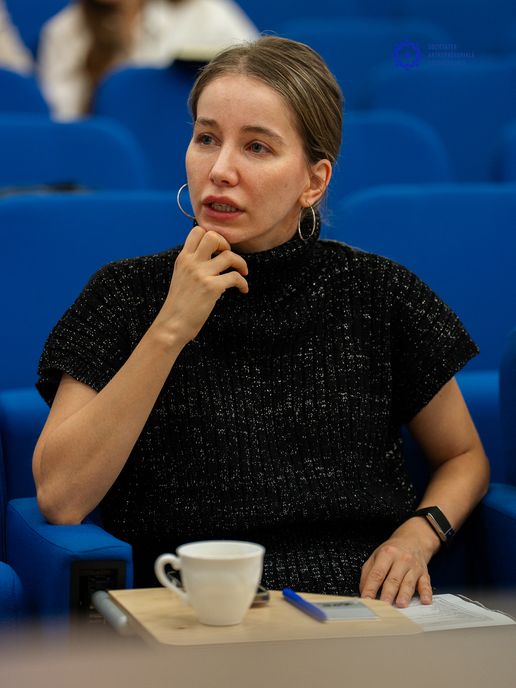
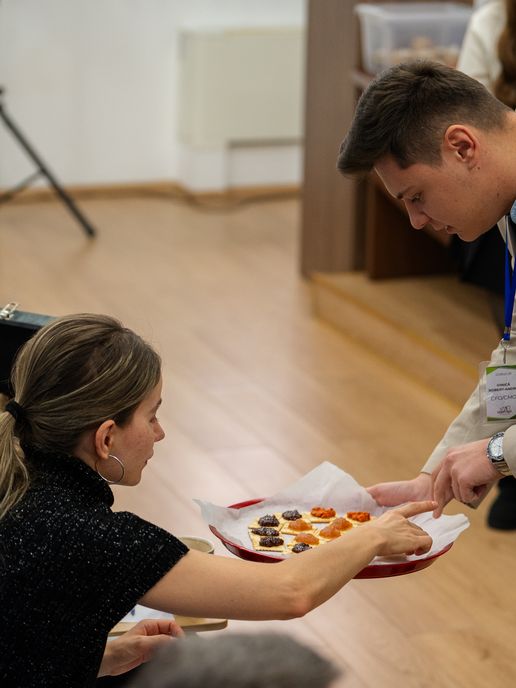
Hello, Two weekends ago I was in Predeal, in the mountains, mentoring 40 students at the GoBiz Bootcamp, run by the entrepreneurship hub of the Bucharest University of Economic Studies. I was the one supposed to be teaching. Mostly, I watched something I recognise in myself: fake progress has a real charm, and almost everyone falls for it. This issue is about 1,100 words, a 5-minute read. The short version:
| ||||||||
|
What I saw in Predeal The students came from one of the most prestigious economics universities in Romania. Many of them were already building something. 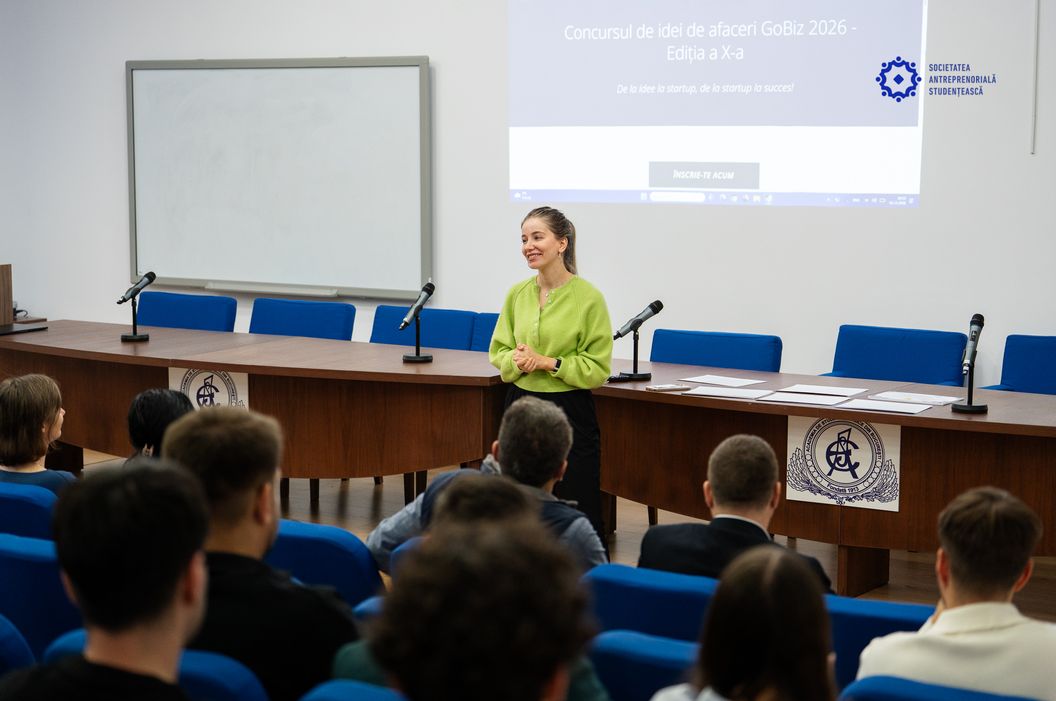
The fake progress I saw most often looked like this: one more feature, then another, while the waiting list stayed unlaunched. A waiting list is the simplest test there is, a page where people leave their email if they want the thing. It is the first real sign that someone cares. And it kept getting pushed back, because a new feature feels like progress and an empty waiting list feels like a verdict. (More on the whole weekend, and on what AI is doing to education, in a coming issue.) 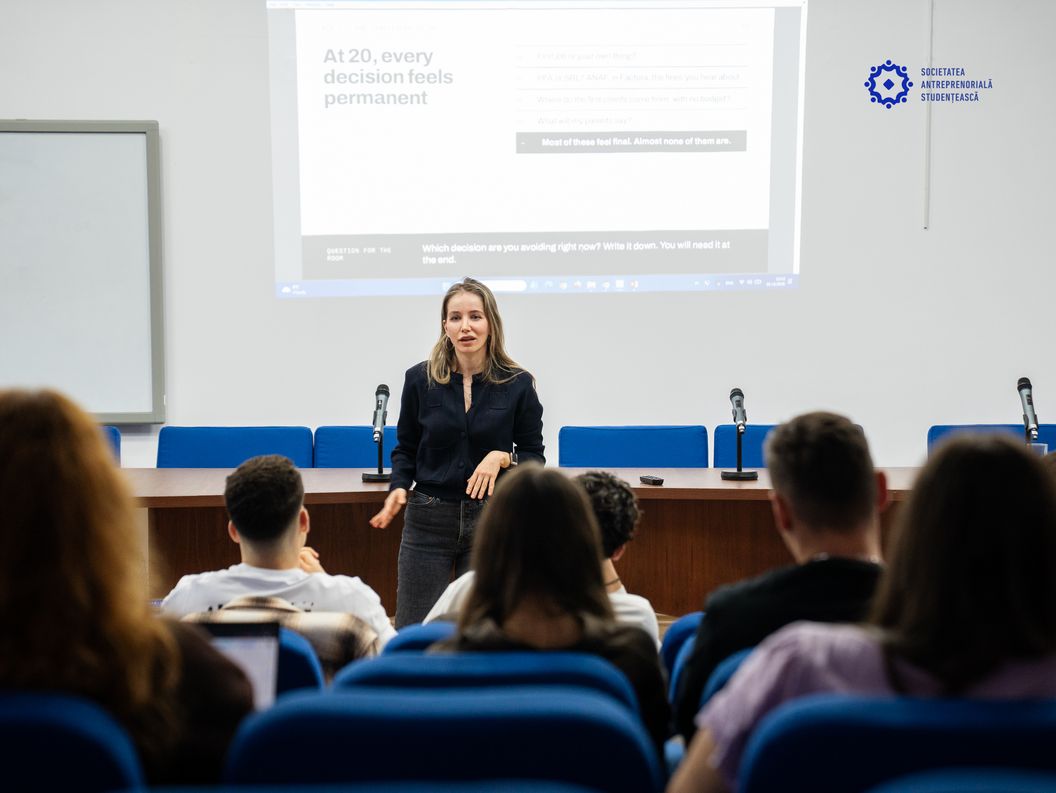
When a launch feels scary, we find work that feels safe. We polish the plan. We redo the logo. We take one more course. We wait for the right moment. Every one of these tasks is real work, and that is what makes it so convincing. We go home tired, so it feels like we moved. But the thing that would actually move us is small and uncomfortable. Put the offer in front of ten people. Send the email. Ask for the meeting. Ask for the money. Students do this. So do founders with twenty years of experience. So do executives. I do it too. Fake progress is work that protects us from an answer we are afraid to hear.
| ||||||||
|
Two talks worth your commute Mark Divine, on training the mind
Not Training Your Mind Is Making You Miserable, on the Chase Merrill Podcast. Mark Divine is a retired US Navy SEAL commander. He introduced box breathing to the SEALs he trained in 2006. Box breathing means slow, controlled breaths through the nose: in, hold, out, hold, each for the same count. His starting point: “The mind essentially takes the shape of what it's exposed to most.” If you are not training your mind on purpose, he says, the news and the office gossip are training it for you. The part that stopped me came from the host. He admitted he spent years hunting for the next book or podcast that would take him to the next level. Divine's answer was that the way forward is not “the next meditation app or the next podcast or the next book.” It is practice, every day. That is fake progress, described by a Navy SEAL. He also says “pain is inevitable but suffering is optional.” When he ran up mountains and hit the point of “I can't go on”, he learned to treat that as a thought, not a fact, and kept going. His challenge to listeners: 20 minutes of quiet in the morning, phone in another room, for 90 days. If 20 is too much, do 10. “Training of the mind has to be done every single day.” Chamath Palihapitiya, on thinking for yourself
A short talk on his YouTube channel, under 10 minutes. Chamath Palihapitiya is an investor and the founder of Social Capital. He opens with an admission most investors would not make on camera: the way he sees the world is sometimes “just a reflection of my biases” and sometimes “a reflection of my insecurities.” Then he talks about capital, and money is only one kind. Reputation is capital. People are capital. So is time, which he puts as a plain question: “Where am I spending my time?” Fake progress is time spent in the wrong place. His last point is about thinking for yourself. Everyone shares their point of view, him included, so before he makes up his mind he runs an article through a tool that argues both sides. His advice: give your mind clean inputs and let it do the work.
| ||||||||
|
The number
In a McKinsey survey, 53% of respondents said scenario planning and other foresight tools would make their companies more resilient to geopolitical shocks. Fewer than 30% actually use them. Less than a third describe their geopolitical risk management as “mature.” That is fake progress at company scale. Half the room knows what would help, and most of the room still doesn't do it. Source: McKinsey, “The art, science, and technology of geopolitical scenario planning” (Ezra Greenberg, Ziad Haider and coauthors), featured in McKinsey's Leading Off newsletter, 2 November 2026. | ||||||||
|
Launching the small version
| ||||||||
|
Before you close this The preparing feels productive because it is safe: nobody can reject a plan that never leaves your laptop. And the answer you are avoiding is usually smaller than the fear. A “no” from three people costs an afternoon. Another year of preparing costs a year. So ask yourself: what am I polishing right now that nobody has asked for? And who is the one person I keep meaning to ask, and have not? Then do one thing: ask them. Tell me how it went. Just reply to this email. | ||||||||
|
Five free audits
| ||||||||
P.S. Reply LAUNCH and tell me the thing you have been preparing for too long. I'll read every one, and I'll send back one question that helps you ship it. | ||||||||
|
Missed last week? We wrote about why playing it safe is how good businesses become average. Read it here Know someone who has been “almost ready” for a while? Forward this to them. Was this forwarded to you? Get the Journal every Tuesday at brave-new.com. | ||||||||
|
About Brave New
Strategy-led growth for high-stakes B2B. Position, build, go broad, prove. The point is to become the name your market searches for. brave-new.com | ||||||||
|
Visit brave-new.com to see who we are, how we work, and what we refuse to do.
You are receiving this because you subscribed to The Brave New Business Journal. |